
Why Fireplace Size Matters in South African Homes
Johannesburg, South Africa – February 11, 2026 / Hydrofire Johannesburg /
Hydrofire Explains How to Size a Fireplace for Your Room Using kW, Room Volume and Practical Heating Principles
Choosing the right fireplace is about far more than appearance. In homes across South Africa, many heating issues stem not from poor products, but from incorrect sizing. A fireplace that is too large can overheat a room, burn inefficiently, and reduce comfort, while a unit that is too small may struggle to provide adequate warmth during winter. To address this common challenge, Hydrofire has published clear guidance on how homeowners can accurately size a fireplace for their space using a fireplace size calculator, room volume measurements, and practical real-world considerations.
This educational overview explains how to match room dimensions to fireplace heat output kW, why nominal heat output matters, and how factors such as insulation, ceiling height, and open-plan layouts affect performance. By following a step-by-step approach supported by Hydrofire’s Fireplace Output Calculator, homeowners can make more informed decisions when selecting a closed combustion fireplace or wood-burning fireplace suited to South African homes.
Understanding Fireplace Sizing with Hydrofire
Fireplace sizing is often misunderstood. Many buyers assume that choosing the largest available unit will deliver the most comfort. In reality, heating performance depends on how well the fireplace output matches the space it is intended to heat.
Hydrofire explains that effective room size heating starts with understanding heat output in kilowatts and how that output interacts with room volume. By focusing on measurable factors rather than guesswork, homeowners can avoid common pitfalls and achieve consistent, comfortable indoor temperatures.
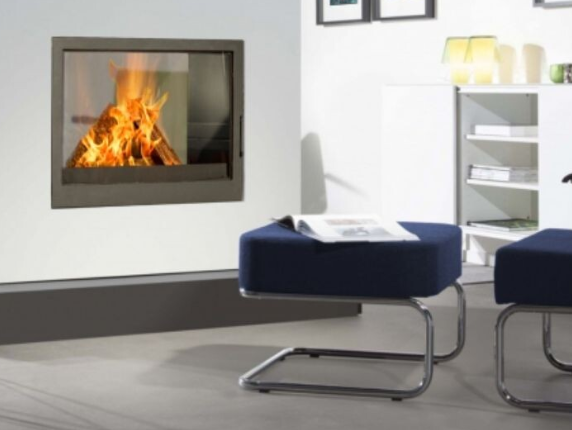
Why Fireplace Size Matters in South African Homes
South African homes vary widely in design, from compact urban apartments to large open-plan houses with high ceilings. Climate conditions also differ by region, with colder winters in parts of the Western Cape, Highveld, and inland areas.
According to Hydrofire, fireplace sizing must account for both architectural features and regional heating needs. A correctly sized closed combustion fireplace ensures efficient fuel use, stable indoor temperatures, and improved overall comfort.
Hydrofire’s Educational Approach to Fireplace Selection
Rather than promoting a one-size-fits-all solution, Hydrofire focuses on education. By helping customers understand fireplace heat output kW and how it relates to room size heating, the company empowers homeowners to choose products that perform as intended.
This approach reduces dissatisfaction, improves long-term performance, and supports responsible wood-burning fireplace use.
What “Nominal Heat Output” Means According to Hydrofire
One of the most important concepts in fireplace sizing is nominal heat output. This figure, typically expressed in kilowatts (kW), represents the average heat a fireplace produces under standard testing conditions.
Hydrofire emphasises that nominal heat output is not the maximum heat a fireplace can produce, nor is it a guarantee of how warm a room will feel in every situation.
Fireplace Heat Output kW Explained
Fireplace heat output kW indicates how much heat energy is delivered into a space. For example, a fireplace with a nominal output of 8 kW is designed to comfortably heat a room of a certain volume under typical conditions.
However, Hydrofire notes that real-world performance depends on how well the room retains heat and how efficiently that heat is distributed.
Why Nominal Output Is More Useful Than Maximum Ratings
Maximum output figures can be misleading, as fireplaces are not designed to operate at maximum capacity continuously. Hydrofire advises homeowners to focus on nominal heat output when sizing a fireplace, as this provides a more realistic basis for room size heating.
Using nominal figures helps prevent overheating and inefficient combustion in wood-burning fireplaces.
How to Measure Room Volume for Fireplace Sizing
Before using a fireplace size calculator, accurate room measurements are essential. Hydrofire recommends calculating room volume rather than relying solely on floor area.
Step One: Measure Room Dimensions
To calculate room volume, measure:
-
Length of the room
-
Width of the room
-
Ceiling height
Multiply these three measurements to obtain the room volume in cubic metres (m³).
Why Ceiling Height Matters in Room Size Heating
High ceilings increase room volume significantly. A space with a standard 2.4-metre ceiling requires far less heat than the same floor area with a 3.5-metre ceiling.
Hydrofire highlights ceiling height as one of the most commonly overlooked factors in fireplace sizing.
Hydrofire’s Advice on Open-Plan Spaces
In open-plan homes, heat does not remain confined to one area. Hydrofire advises calculating the volume of the entire connected space rather than a single room when selecting a fireplace.
This ensures the fireplace heat output kW is sufficient for the full area being heated.
Using the Fireplace Size Calculator from Hydrofire
Once room volume has been calculated, the next step is to use a fireplace size calculator. Hydrofire provides a dedicated Fireplace Output Calculator designed specifically for local conditions and product ranges.
Step-by-Step: How Hydrofire’s Fireplace Size Calculator Works
-
Enter the room volume in cubic metres
-
Select the general insulation level of the home
-
Indicate whether the space is open-plan or enclosed
-
Review the recommended fireplace heat output kW
The calculator provides an estimated output range that helps narrow down suitable options from Hydrofire’s fireplaces category.
Why a Calculator Is Better Than Guesswork
Manual estimates often lead to incorrect sizing. Hydrofire explains that a fireplace size calculator accounts for multiple variables at once, reducing the risk of selecting a unit that is too powerful or under-powered.
Matching Calculator Results to Real Products
After using the calculator, homeowners can explore Hydrofire’s fireplaces category to identify closed combustion fireplace models that fall within the recommended output range.
Factors That Affect Real-World Fireplace Performance
While room volume and nominal heat output are key, real-world performance is influenced by several additional factors.
Insulation Quality and Heat Retention
Well-insulated homes retain heat more effectively, reducing the required fireplace heat output kW. Older homes or properties with poor insulation may need higher output to achieve the same level of comfort.
Hydrofire recommends factoring insulation into any room size heating calculation.
Windows, Doors and Air Leaks
Large windows, sliding doors, and air leaks increase heat loss. Hydrofire notes that rooms with extensive glazing often require higher output fireplaces to compensate for heat escaping.
Ceiling Height and Vertical Heat Loss
Warm air rises, making high ceilings more challenging to heat. Hydrofire advises selecting a fireplace with sufficient output to address vertical heat distribution.
Fireplace Placement Within the Room
Positioning affects heat circulation. A centrally placed wood-burning fireplace may heat more evenly than one located in a corner or recessed area.
Why “Too Big” Is a Problem: Oversized Fireplaces Explained
Many homeowners believe a larger fireplace offers flexibility. Hydrofire warns that oversized fireplaces often create more problems than benefits.
Overheating and Discomfort
An oversized closed combustion fireplace can make a room uncomfortably hot, forcing occupants to open windows during winter.
Inefficient Combustion and Poor Fuel Use
When a fireplace is too large, it is often run at low output. Hydrofire explains that this can lead to incomplete combustion, increased soot, and wasted firewood.
Reduced Control Over Room Temperature
Oversized fireplaces make it harder to maintain consistent temperatures, particularly in smaller rooms.
Why “Too Small” Also Causes Issues
Undersized fireplaces struggle to deliver adequate warmth, especially during cold spells.
Continuous High-Output Operation
A small fireplace may need to run continuously at high output, placing strain on components and reducing lifespan.
Uneven Heating and Cold Zones
Insufficient fireplace heat output kW can result in warm areas near the unit but cold corners elsewhere in the room.
Hydrofire’s Recommendation on Avoiding Undersizing
Using a fireplace size calculator helps ensure the selected unit matches the actual heating demand of the space.
Closed Combustion Fireplaces and Room Size Heating
Closed combustion fireplaces are designed to deliver controlled, efficient heat. Hydrofire specialises in these systems due to their suitability for modern South African homes.
Why Closed Combustion Fireplaces Are Easier to Size
Closed systems offer predictable output and higher efficiency, making it easier to match fireplace heat output kW to room volume.
Improved Control and Safety
Closed combustion fireplaces allow better airflow control, reducing heat fluctuations and improving safety.
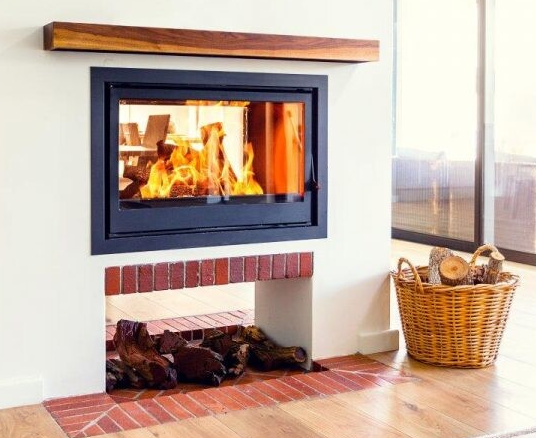
Wood-Burning Fireplaces and Output Considerations
Wood-burning fireplaces remain popular in South Africa, particularly for their ambience and renewable fuel source.
Fuel Quality and Heat Output
Dry, seasoned wood produces more consistent heat. Hydrofire notes that poor fuel quality can reduce effective output even if the fireplace is correctly sized.
Matching Wood-Burning Fireplaces to Room Volume
Accurate sizing ensures a wood-burning fireplace delivers warmth without excessive fuel consumption.
Common Fireplace Sizing Mistakes Identified by Hydrofire
Over years of consultation, Hydrofire has identified recurring sizing errors.
Relying Only on Floor Area
Ignoring ceiling height and open-plan layouts leads to incorrect calculations.
Choosing Based on Visual Size Alone
Aesthetics should follow function, not the other way around.
Ignoring Future Use of Space
Rooms may later be opened up or repurposed, affecting heating needs.
When to Seek Professional Advice from Hydrofire
While calculators are useful, complex spaces benefit from expert input.
Custom Layouts and Architectural Features
Homes with split levels, double-volume spaces, or extensive glazing often require tailored advice.
Consultation Through Hydrofire Contacts
Hydrofire offers consultation through its contacts and showroom teams, helping homeowners validate calculator results before purchase.
FAQs: Fireplace Sizing and Heat Output
How many kW do I need to heat my room?
This depends on room volume, insulation, and layout. Hydrofire’s fireplace size calculator provides an estimated range.
Can one fireplace heat multiple rooms?
In open-plan layouts, yes. In closed layouts, heat transfer may be limited.
Is bigger always safer for cold areas?
No. Oversizing can reduce efficiency and comfort.
Does ceiling height really matter?
Yes. Higher ceilings increase room volume and heat demand.
Should I size for the coldest day?
Hydrofire recommends sizing for average winter conditions, not extremes.
Hydrofire’s Fireplace Size Calculator as a Practical Tool
By combining room measurements, insulation considerations, and nominal output data, the fireplace size calculator from Hydrofire simplifies a complex decision.
Hydrofire Fireplaces Designed for South African Homes
Hydrofire’s fireplaces category includes a wide range of closed combustion and wood-burning fireplaces with clearly defined output ratings, making accurate sizing achievable.
Fireplace Sizing Confidence Through Education
By understanding fireplace heat output kW and room size heating principles, homeowners can approach fireplace selection with confidence.
Hydrofire Explains Fireplace Sizing for Better Heating Outcomes
Through education, tools, and professional consultation, Hydrofire helps South Africans select fireplaces that perform as intended, avoid common mistakes, and deliver consistent comfort.

Contact Information:
Hydrofire Johannesburg
112 Rabie St Fontainebleau
Johannesburg, Gauteng 2032
South Africa
Monique Badenhorst Peacock
+27 10 615 0899
https://hydrofire.co.za/